
Having led worship in a number of different denominations and settings, it's fascinating how different the expressions can be.
One of the things that has really helped me understand this is having a framework for why we do things the way we do. The 7 Hebrew words for worship are found in the Old Testament. These words describe all the different expressions and moments that we still see and experience in times of worship today. Not modern adaptations, but Biblical practices still being outworked. It’s brought clarity where we’ve been misunderstood as being over-emotional or too serious and equally brought challenge to the way I think through the times of worship that I help lead and am a part of.
Halel: The word Hallelujah comes from this. It means to boast, to rave about, to be clamorously foolish about, to celebrate.
As worship leaders, it is Biblical and an important discipline for us to release celebration. This is not emotional hype, but a reminder for us that it is necessary for us to enjoy and boast in the goodness of God.
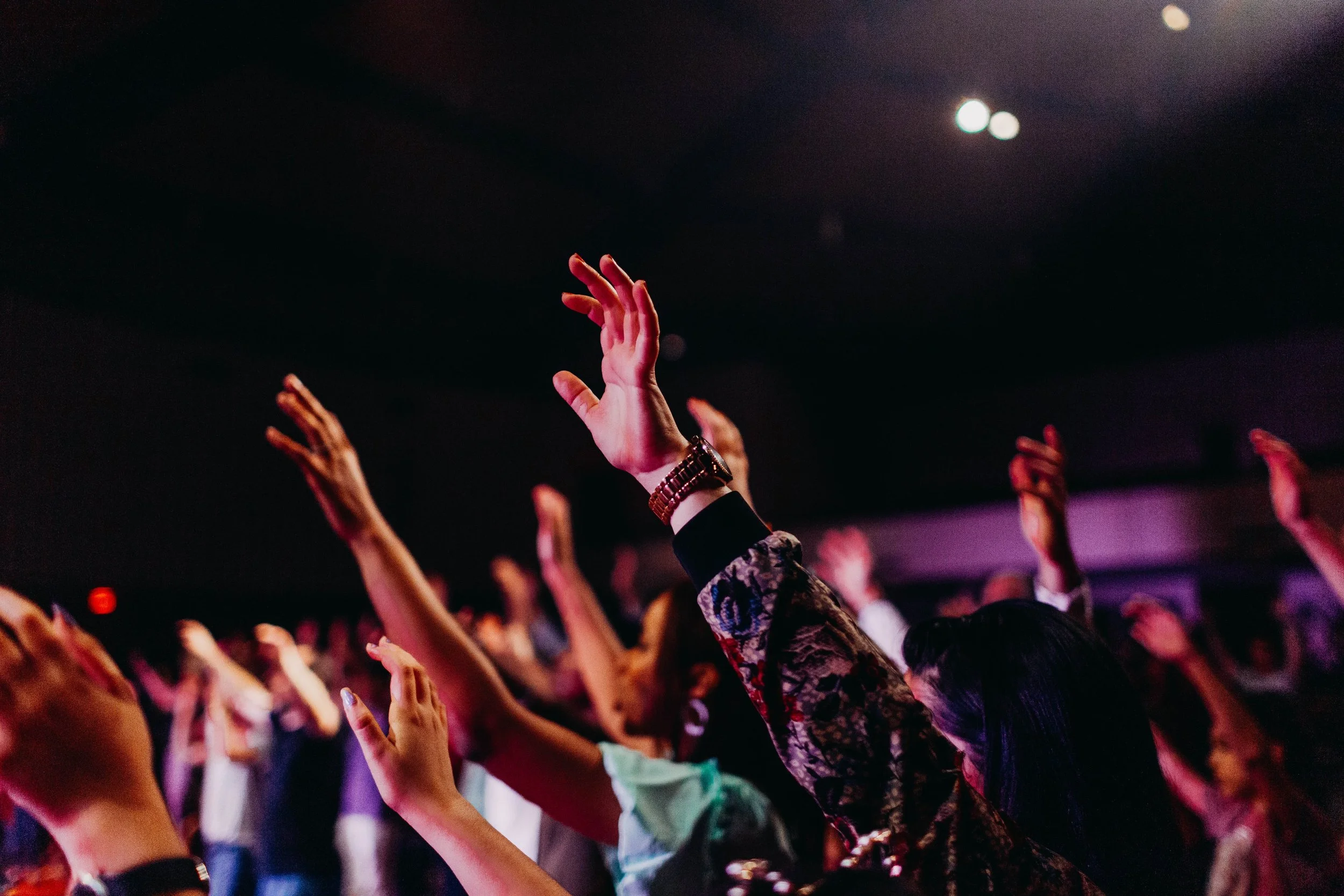
Yadah: To hold out the hand (praise thankful, thanksgiving)
Physical posture is Biblical in our worship. Again, it is not just an emotional response or a personality preference but a Biblical principle. It is important to practice gratitude not just internally, but physically.
Towdah: An extension of the hand in adoration, avowal, or acceptance. Thanking God for something not yet received.
This is a way that we can lead ourselves in worship when I don’t feel like it. Choosing to raise our hands & surrender. Acknowledging that He is God and we are not, even when we don't fully understand what's going on in our lives.
Shabach: to shout, to address in a loud tone, to command, to triumph
Sometimes we need to get loud! When Jesus arrived in Jerusalem on Palm Sunday, people were shouting; “Hosanna”, “Blessed is the King who comes” at the top of their lungs! They announced him. Prayer and praise is so connected to our bodies. Just as you would use you voice to warn someone of danger, there is a time to use that intensity in our prayer and praise.
Barak: to kneel down, to bless God as an act of adoration, giving conscious place to God
This is why sometimes we see people kneeling down or lying facedown on the ground. The Catholic church really grasps this; utter reverence before Almighty God.
Zamar: To make music in praise of God.
There is a significance in using music to connect with God. Music has the wonderful ability to communicate something words cannot. To connect us to God on a deeper level. This is why we feel passionate about musical worship. Yes, worship is the whole of our lives but music has huge importance in the way we express it.
Tehillah: Perceived to involve music, especially singing; hymns of the Spirit. Unprepared, unrehearsed.
Something we love to make space for in our times of worship is this; hymns of the Spirit. Where we allow the work of the Holy Spirit to overflow in us and create. It’s messy and beautiful and some of our most precious and honest times of worship have come from these moments. It’s also where the Spirit has birthed new songs for us as a church.
Reflection: do we make space for all these different expressions or are we led by cultural/social preference?